
Acoustic Leak Detection in Aliso Viejo, CA
Acoustic leak detection is the primary method we use to locate pressurized pipe failures before opening any slab, wall, or floor surface in Aliso Viejo. Ground microphones and electronic amplification equipment detect the distinct sound frequency that pressurized water produces as it escapes through a pipe break or pinhole, allowing us to identify the failure point to within one to two feet without destructive access. Call (949) 325-3122 for acoustic leak detection throughout South Orange County.
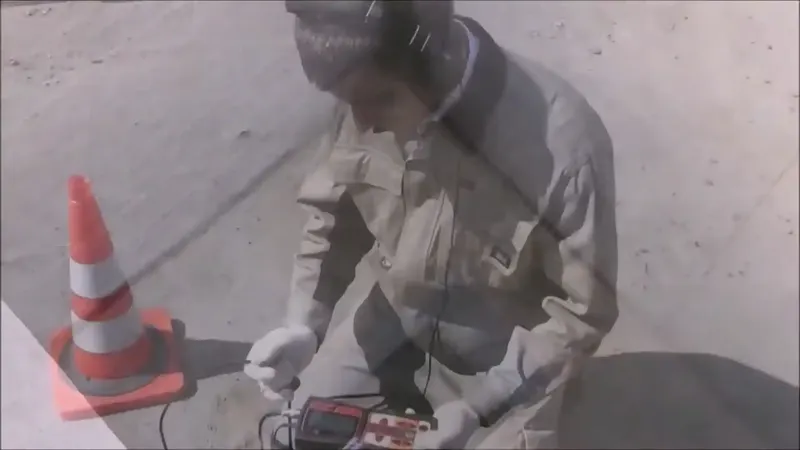
How Acoustic Detection Works on Aliso Viejo's Slab-on-Grade Homes
When pressurized water escapes through a break or pinhole in a supply line, it produces a sound signature in the 300-to-2,000 Hz frequency range depending on pipe material, pipe diameter, and system pressure. Ground contact microphones with electronic amplification filter out background noise and isolate this signature frequency. Pressed against a concrete slab surface, a drywall wall surface, or the soil above a buried line, the sensor detects the acoustic signal transmitted through those materials from the leaking pipe below or inside.
In Glenwood, Westridge, and Audubon slab-on-grade homes, where the copper supply lines from the 1980s are now entering the pinhole-failure window from Moulton Niguel Water District's hard imported water, acoustic detection allows us to scan the concrete floor surface systematically. We move the sensor in a grid pattern across the area of suspected failure and map the signal strength at each point. The peak signal location is the failure point. We then confirm with a pressure isolation test: shut down the circuit, observe the gauge, and open the circuit again while scanning acoustically to confirm the signal correlates with pressurized flow rather than ambient noise.
For wall-cavity pinholes in first-phase homes, the same approach works through drywall surfaces. We press the sensor against the wall in the area of the suspected failure and scan laterally and vertically until we locate the signal peak. The acoustic approach allows us to locate above-slab failures in walls with the same precision as slab-surface failures, and the combined pressure-test-plus-acoustic process gives us a confirmed location before any wall is opened. For sub-slab failures where the acoustic signal must travel through the full slab thickness, we supplement with the electronic leak detection method that uses electromagnetic pipe tracing to confirm the pipe route before acoustic scanning. Call (949) 325-3122.
Acoustic Detection vs. the Older Guess-and-Jackhammer Approach
Before acoustic leak detection equipment became accessible to local plumbing contractors, sub-slab leak repair in Aliso Viejo often involved cutting a trench or series of openings across the suspected area to find the leak by visual inspection once the concrete was removed. That approach was destructive, expensive in concrete and flooring restoration, and unreliable because the visible wet area on the surface of the slab is often not above the actual failure point. Acoustic detection replaced this with a targeted, non-destructive location process that produces a precise failure point before any concrete is cut. The result is smaller access cuts, less flooring replacement, and a higher confidence that the repair addresses the actual failure rather than one of several possible locations within the suspected zone. For the full non-invasive detection philosophy we apply on every job, see our non-invasive leak detection page. For the thermal imaging approach we use alongside acoustics on certain failure types, see thermal imaging leak detection. Call (949) 325-3122.
Cost of Acoustic Leak Detection in Aliso Viejo
Acoustic leak detection is a diagnostic service, not a repair, and its cost reflects the equipment, training, and time required to locate a failure precisely before any concrete is opened. Several factors influence what a detection visit costs in Aliso Viejo.
The size and complexity of the supply system matters: a single-circuit slab leak in a 1,200 square foot condo takes less scanning time than a five-circuit supply system in a 2,800 square foot hillside home with an irregular footprint. The degree of background noise on the property affects scan time as well; homes near Pacific Park Drive or the 73 toll road require more careful frequency filtering than quiet residential streets in Glenwood or Westridge.
Hillside terrain adds time compared to flat-lot work. Because slab leak water migrates laterally before surfacing on Aliso Viejo's graded pads, the acoustic scan must cover a wider area than the visible symptom suggests. A wet spot in the hallway may require scanning the kitchen and an adjacent bedroom before the signal peak is located.
Homeowners insurance generally does not cover detection costs directly, but most California policies include access coverage: the cost of opening the slab to reach the leak, once the leak is confirmed and documented. Our written detection report with photos satisfies the documentation requirement for most insurers. For the specific California plumbing insurance note: sudden and accidental water damage is typically covered; gradual pipe deterioration is not. For your real number on this specific property, call (949) 325-3122.
Frequently Asked Questions
Yes. Standard residential slab thickness in Aliso Viejo is 4 to 6 inches. The acoustic signal from a pressurized pipe failure at typical MNWD supply pressure (60 to 70 psi) transmits clearly through that thickness to the surface sensor. We have successfully located failures through slab sections where multiple layers of flooring material (tile over mortar bed over concrete) were present, using higher-amplification sensor settings for the additional material thickness. Call (949) 325-3122.
A systematic acoustic scan of a suspected floor area in a single-family Aliso Viejo home typically takes 30 to 60 minutes from equipment setup to confirmed location. Combined with a preceding pressure isolation test to identify which circuit is failing, the complete detection process for a slab leak is usually completed within 90 minutes. Wall-cavity detection is faster because the scan area is more constrained. Call (949) 325-3122.
Yes, though the signal frequency and amplitude differs from copper. PEX transmits the acoustic signature of a pressurized failure differently than rigid copper because of its flexibility and different wall thickness, but the fundamental physics of pressurized escape is the same and the signal is detectable. Newer construction in Vantis and Aliso Viejo Town Center with PEX supply lines can be acoustic-scanned with the same equipment, with sensor sensitivity settings adjusted for PEX characteristics. Call (949) 325-3122.